West India Quay movers tips for tight staircases
Posted on 15/07/2026
West India Quay Movers Tips for Tight Staircases: A Practical Guide for Smarter, Safer Moves
If you are moving in or around West India Quay, chances are you already know the headache: narrow stairwells, awkward turns, small landings, and furniture that looked perfectly manageable in the living room suddenly becomes a monster on the stairwell. That is exactly why West India Quay movers tips for tight staircases matter so much. A good move here is less about brute force and more about planning, measuring, protecting walls, and choosing the right lifting method before anyone starts sweating on the second floor.
In this guide, we will walk through the real-world steps that help your move run smoothly in Docklands-style flats and older conversions where stairs can be unforgiving. You will learn what to measure, how to prepare bulky items, when to call in specialist help, and which mistakes people make when they assume "it'll probably fit." Spoiler: that assumption causes trouble more often than you'd think.
For local context on moving in the area, it can also help to look at broader Docklands housing and moving advice like flat removals in Docklands and the wider services overview, especially if your move involves shared entrances or upper-floor access. But first, let's get into the staircase problem itself.
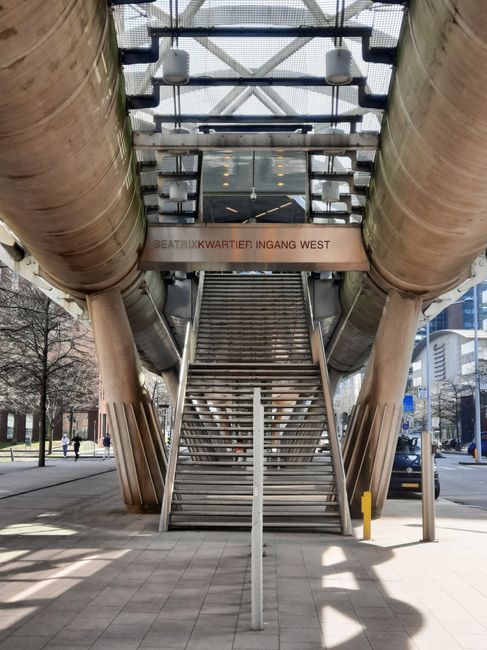
Why West India Quay movers tips for tight staircases Matters
Tight stairs are not just a nuisance. They affect everything from safety and speed to whether your sofa survives the move without a scuff on the armrest. In West India Quay, many homes and apartments sit in buildings where access is designed for everyday use, not for dragging a wardrobe around a sharp turn at 9 a.m. on move day. That is the simple truth.
When movers understand the staircase before they arrive, they can bring the right kit, assign the right number of people, and decide whether an item should be disassembled or carried whole. Without that preparation, delays stack up fast. A 20-minute job can turn into a slow, awkward hour with everyone guessing and someone muttering, "This looked smaller online."
This matters even more in shared buildings. Tight staircases often mean more foot traffic, more chances of bumping walls, and more concern for neighbours. If you are moving from a flat, especially in a building with limited landing space, planning properly is part courtesy, part risk management, and part common sense. If you want a broader look at moving flats in the area, the page on flat removals Docklands is a useful companion read.
There is also a financial angle. Damage to banisters, walls, or items can add cost and stress you really do not need. A careful staircase strategy can help avoid repair bills, last-minute rescheduling, and the classic "we'll just try it once more" trap. Let's face it, that rarely improves things.
How West India Quay movers tips for tight staircases Works
The process is straightforward in principle, though not always in practice. It starts with understanding the staircase as a physical route, not just a piece of access. Movers need to consider width, ceiling height, turning space, stair angle, handrail position, and whether there are pinch points at the top or bottom of the stairs. A staircase can be wide at one point and oddly restrictive at the next. That is where people get caught out.
The practical method usually follows a pattern:
- Measure the obstacles rather than just the furniture.
- Break down large items where possible.
- Protect surfaces before anything starts moving.
- Plan the carry route and the order of loading.
- Use enough people for controlled movement, not rushed lifting.
Movers often do a quick visual assessment first, then confirm whether an item can be rotated, tilted, or carried upright. In some cases, the safest route is not the stairwell at all. A piece may need to go through a different access point, wait for disassembly, or be moved using a specialist technique. That kind of decision is exactly what experienced teams are paid for.
In practice, the best staircase moves feel calm and methodical. You will hear less scraping, less shouting, and fewer abrupt stops on the landing. That calm is not accidental. It comes from preparation, and a decent removals crew will often pair that with proper packing support from packing and boxes Docklands if fragile items need extra care before the lift.
Key Benefits and Practical Advantages
Good staircase planning brings benefits that are easy to overlook until the day arrives. It makes the move quicker, yes, but it also makes it safer and cleaner. That matters in West India Quay where apartment blocks often have shared spaces, polished floors, or narrow communal entrances that show every mark.
- Less risk of damage: to furniture, banisters, walls, and flooring.
- Better time control: items move in a smoother order, with fewer pauses.
- Lower physical strain: movers work with the staircase instead of fighting it.
- Less disruption: neighbours and building residents are not left dealing with constant noise and blockages.
- More predictable costs: fewer delays and fewer awkward surprises.
Another practical advantage is that a well-managed staircase move often reduces decision fatigue. On moving day, you do not want to be standing there debating whether the bed base should go first or second. That decision should already be made. The more predictable the move, the easier it is for everybody involved, including you.
If you are comparing service options, it helps to think beyond price alone. A slightly better-prepared team can save you far more than the cheapest option seems to offer. You may also want to review pricing and quotes alongside the type of access your property has, because staircase difficulty can affect how a quote is structured.
Who This Is For and When It Makes Sense
This advice is useful for a lot of people, but especially if your home has one or more of the following traits:
- a narrow internal staircase
- tight turns on a landing
- split-level layouts or duplex access
- older converted buildings
- upper-floor flats with limited lift access
- large furniture items, such as wardrobes, sofas, or beds
It is also relevant if you are moving on a deadline. Same-day or short-notice moves leave less room for improvisation, which is exactly when tight stairs become a bigger issue. In those cases, services like same day removals Docklands can be helpful, but only if the access route has already been assessed properly.
Students, renters, families, and office teams can all run into staircase constraints. A student move may be smaller in scale but still awkward if the building has a steep stairwell and a desk that was built in another era. Office moves are their own beast, especially with filing cabinets, monitors, and awkward IT equipment. If you are relocating a workplace, the page on office removals Docklands gives a better sense of how those moves are usually handled.
And if you are moving a particularly awkward item, such as a piano or heavy instrument, don't guess. Really, don't. The route may simply not be suitable without specialist handling. That is when piano removals Docklands becomes the more sensible route.
Step-by-Step Guidance
Here is the practical approach we would recommend for tackling tight staircases around West India Quay.
1. Measure the staircase, not just the furniture
Start with the narrowest points. Measure the width of the stairs, the landing dimensions, the ceiling height at the turn, and the doorway at both ends. A sofa may fit in the hallway but fail on the landing. That mismatch is one of the most common causes of moving-day frustration.
2. Identify the awkward items early
Walk through the property and list anything bulky, rigid, or oddly shaped. Sofas, dining tables, mattresses, wardrobes, desks, headboards, and white goods are typical problem items. If a piece can be disassembled, decide that before moving day rather than in the middle of the staircase.
3. Clear the route completely
Remove shoes, coats, loose rugs, plant pots, and anything else that might trip someone or slow the carry. On tight stairs, clutter becomes a real hazard. One stray umbrella on a landing can be enough to throw the rhythm off.
4. Protect walls, corners, and bannisters
Use protective coverings where needed, especially near the sharpest turns and the narrowest parts of the stairwell. Proper protection is not just about avoiding damage; it also gives movers a little more confidence when pivoting bulky items. Confidence matters. You can hear it in the pace.
5. Decide the order of loading
Plan the move so the hardest items go first while everyone is fresh. Small boxes can wait. Heavy furniture should not be left until the end when the team is tired and the staircase already has a bit of wear and tear from the day.
6. Use the right lifting technique
Good movers know when to tilt, when to rotate, and when to pause. On a staircase, a piece may need to be carried at an angle or lifted vertically to clear a landing. This is one reason experienced teams matter so much in tight spaces.
7. Keep communication simple and clear
One person should call the pace. Too many voices make things messy fast. A good carrying team tends to move like a small orchestra, if you can forgive the image. Not glamorous, but very effective.
8. Reassess before forcing anything
If an item is catching, stop. Breathe. Recheck the angle. Sometimes a different grip or a quick partial disassembly saves the day. Forcing the issue usually causes the damage, not the staircase itself.
Expert Tips for Better Results
These are the kinds of details that can turn a frustrating move into a controlled one.
- Use sliders and blankets early: not after the first scuff appears.
- Take doors off hinges where sensible: a centimetre can matter more than you'd think.
- Wrap sharp edges: table corners and bed frames love to catch on walls.
- Confirm who is handling what: confusion on a landing is never helpful.
- Keep kids and pets out of the route: obvious, yes, but easily forgotten in the rush.
- Have a backup plan: window access, storage, or temporary staging can sometimes be the safer answer.
One thing people miss is timing. If a staircase move is likely to be slow, build in the buffer. Early starts are often better in West India Quay because the building feels quieter, the lifts are less busy, and everyone is less stressed. By mid-morning, everything can feel tighter, louder, and more rushed. Not dramatic. Just real life.
Another useful tip: if you are moving into a flat with awkward access, tell the removals team before the booking is confirmed. That is especially relevant if the move involves a man with a van Docklands setup or a smaller crew, because access details can change the vehicle choice, manpower, and loading plan.

Common Mistakes to Avoid
The biggest staircase mistakes are usually simple, which is why people keep making them.
- Not measuring properly and trusting guesswork.
- Leaving disassembly too late for large furniture.
- Ignoring the landing space and only checking stair width.
- Underestimating wall protection in narrow communal areas.
- Trying to carry oversized items with too few people.
- Forcing turns instead of resetting the carry.
- Failing to notify the building manager or neighbours where needed.
There is also a planning mistake that gets overlooked: choosing the wrong service for the complexity of the move. If your property has tight internal access and several heavy items, a basic load-and-go arrangement may not be enough. In those cases, using a fuller removals service can be a better fit, such as removal services Docklands or more comprehensive house removals Docklands support.
Also, don't forget the paperwork side. If you are booking with a company, take a moment to read the terms and conditions and check the insurance and safety details. It is not the exciting part, sure, but it matters when access is awkward and the risks are higher.
Tools, Resources and Recommendations
You do not need a warehouse of specialist gear for every move, but the right tools make tight staircases much easier to handle.
| Tool or Resource | What it helps with | Best use case |
|---|---|---|
| Measuring tape | Checks stair width, landings, and furniture size | Before booking and before lifting |
| Furniture blankets | Protects surfaces and reduces scrapes | Wardrobes, tables, bed frames |
| Straps and gloves | Improves grip and control | Heavy or awkward items |
| Door protectors | Helps prevent damage on entry points | Narrow hallways and communal areas |
| Storage option | Reduces pressure if an item will not fit on the day | Moves with staging delays |
For some moves, storage is the simplest pressure valve. If the new property is not quite ready, or if one oversized item needs to wait while access is rearranged, storage Docklands can give you breathing room. That little bit of space can save a lot of stress.
Helpful supporting services may also include furniture removals Docklands for larger household items, or man and van Docklands if your move is smaller but still requires careful handling. For people who want a fuller picture of the company's background and approach, about us is worth a look too.
Law, Compliance, Standards, or Best Practice
For moves involving tight staircases, the main compliance concerns are usually safety, access, and duty of care. In plain English: nobody should be put at unnecessary risk, and property should be handled carefully. A good moving crew will use reasonable lifting practices, protect shared spaces, and avoid unsafe carrying methods when a staircase is too restrictive.
In the UK, moving work is typically expected to follow sensible health and safety practice, especially when lifting heavy items or working in shared residential spaces. You do not need to become a compliance expert yourself, but it helps to know that reputable movers should be thinking about safe lifting, trip hazards, protective materials, and clear communication. That is just good practice, really.
If a building has its own rules about move times, access routes, lift use, or communal protection, those rules should be respected. It is also sensible to tell residents or building management in advance if the move is likely to involve noise or repeated trips on a shared staircase. This is where a careful, well-organised team makes all the difference.
For readers who want reassurance around policy and standards, the company's own health and safety policy and accessibility statement can offer useful context on how they approach these duties. If anything feels unclear, you can always check contact before the move.
Options, Methods, or Comparison Table
Not every staircase move needs the same method. Here is a simple comparison to help you think clearly.
| Method | Best for | Pros | Limitations |
|---|---|---|---|
| Standard carry-up | Smaller furniture, open staircases | Quick and efficient | Not suitable for bulky turns or heavy items |
| Disassembly first | Wardrobes, bed frames, tables | Improves fit and reduces damage risk | Takes more time before loading |
| Specialist manual handling | Heavy, fragile, or awkward items | More control on difficult stairs | Needs experience and enough crew |
| Temporary storage or staging | Moves with access uncertainty | Removes pressure from the day | May add an extra step to the move |
To be fair, the best method is not always the most obvious one. A sofa that "should" fit sometimes becomes easier to handle if the legs are removed and the route is protected properly. On the other hand, some items are simply not worth forcing through a staircase. That is when changing the method is smarter than pushing harder.
If you are comparing moving styles for smaller properties, the pages on man with a van Docklands and removal van Docklands can help you think through vehicle size and crew setup, which is often tied directly to staircase access.
Case Study or Real-World Example
Imagine a two-bedroom flat near West India Quay with a narrow staircase, a tight turn on the first landing, and a large wardrobe that looked reasonable in the bedroom but suddenly became very, very not reasonable on the stairs. The move starts well enough. Boxes come down quickly. Then the wardrobe reaches the turn and stops. Not because it is too heavy, but because the angle is wrong.
In a rushed move, the temptation is to keep trying the same route. That usually makes the issue worse. In a better-planned move, the team pauses, measures the landing again, removes the wardrobe doors, adjusts the carry angle, and brings in extra padding on the banister. The piece goes through after a controlled reset. Nobody is injured, the wall stays intact, and the whole job feels a lot less chaotic.
That kind of small adjustment is the real lesson. Tight staircases rarely reward speed alone. They reward observation, patience, and a willingness to change the plan halfway through if needed. Honestly, that is true of most moves, but it becomes especially obvious in Docklands flats where access is limited and every inch counts.
We have seen similar situations with student moves and short-let relocations too. If the move is compact but urgent, a targeted service like student removals Docklands or same-day removals for urgent moves can be sensible, provided the stairs are assessed properly beforehand. The move is still only as smooth as the access allows.
Practical Checklist
Use this checklist before moving day. It is simple, but it catches most of the problems people forget.
- Measure stair width, landings, and ceiling height at the tightest points.
- Measure large furniture, including anything with fixed arms or legs.
- Decide which items need disassembly.
- Clear the stair route, hallway, and landing areas.
- Protect bannisters, corners, floors, and door frames.
- Tell the removals team about any awkward turns or low ceilings.
- Check whether building access rules apply.
- Confirm parking and unloading arrangements.
- Separate fragile items and label them clearly.
- Keep children, pets, and bystanders away from the route.
- Have a backup plan for any item that will not safely fit.
- Review the booking details, quote, and insurance information.
If you want a wider home-moving perspective for the Docklands area, the Docklands home buying checklist and Canary Wharf removals guide for riverside flats can also be useful reads when you are planning the bigger picture around the move.
Conclusion
Moving through tight staircases around West India Quay is not something to wing on the day. The best results come from measuring properly, protecting the route, disassembling where needed, and working with a team that understands how Docklands flats actually behave in real life. A little planning goes a long way. A lot, actually.
The good news is that staircase moves are very manageable when the access route is respected and the right moving method is chosen early. Whether you are relocating a flat, moving bulky furniture, or handling an urgent same-day job, the goal is the same: make the move safer, calmer, and less stressful than it needs to be.
Get a free quote today and see how much you can save.
And if you are still in the planning stage, take your time with the measurements, ask the awkward questions, and do not let the staircase win by surprise. A well-run move feels a bit ordinary in the best way possible - quiet footsteps, a careful turn, then done. Lovely when it all just works.